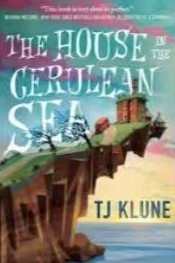
What This Book Is About
Linus Baker is a by-the-book caseworker at the Department in Charge of Magical Youth—a government agency responsible for monitoring orphanages that house magical children. Linus has spent forty years following rules, filing reports, and never questioning the system. Then he is sent on a classified assignment to Marsyas Island, home to the most dangerous orphanage in the world, where the six children include a gnome, a wyvern, a girl who can move objects with her mind, and a small boy named Lucy who may or may not be the Antichrist.
The orphanage is run by Arthur Parnassus, a kind and mysterious man who has created a home where these children—feared and rejected by the outside world—can simply be themselves. As Linus spends time on the island, his rigid worldview begins to crumble. He discovers that the children are not dangerous but simply different, that the system he has served so loyally is built on fear and prejudice, and that love, in all its forms, is the most powerful magic of all. TJ Klune's novel is a warm, hopeful fable about chosen family, acceptance, and the courage to stand up for what is right even when the world tells you to sit down.
Available at Popular bookstores, Kinokuniya, and the Singapore National Library.
Why We Recommend This Book
The House in the Cerulean Sea is an allegory about prejudice, bureaucracy, and the radical act of choosing compassion over compliance. Its themes of accepting those who are "different" resonate powerfully in UWC's multicultural community, where students must constantly practice openness to people and perspectives unlike their own.
The novel also teaches students to recognize systemic injustice—Linus doesn't start as a bad person, but his unquestioning loyalty to an unjust system makes him complicit. This nuanced portrayal of complicity is more useful for classroom discussion than a simple hero-vs-villain narrative, because it asks students to examine their own participation in systems they have never questioned.
Reading Level Guide
Challenging at B1. Build confidence with B1-level books first, then return to this.
Perfect difficulty. Challenging enough to grow, accessible enough to enjoy.
Comfortable read at C1. Great for pleasure reading or thematic exploration.
Other UWC Recommended Books for This Grade
Not sure if this book is right for your child? Take our free English assessment to find their CEFR level, then choose books that match.