What This Book Is About
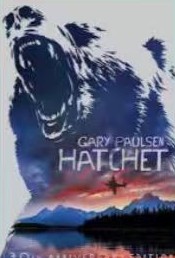
Thirteen-year-old Brian Robeson is flying on a single-engine bush plane to visit his father in the Canadian wilderness when the pilot suffers a massive heart attack and dies at the controls. Brian crash-lands the plane in a remote lake somewhere in the vast forests of northern Canada. He has no food, no shelter, no radio, and no idea where he is. The only tool he possesses is a hatchet—a going-away gift from his mother that he almost didn't bring.
Over the next fifty-four days alone in the wild, Brian transforms. He learns to make fire by striking the hatchet against stone. He discovers which berries are safe to eat (and which ones make you violently sick). He builds a shelter from fallen branches, fends off a moose attack, survives a tornado, and battles the constant, grinding loneliness that is worse than any physical danger. Gary Paulsen's writing is raw and physical—you can feel the mosquito bites, taste the bitter gut cherries, hear the silence of the forest at night. A Newbery Honor winner that has hooked millions of reluctant readers for nearly four decades, Hatchet is proof that sometimes the best stories need only one character, one tool, and an unforgiving landscape.
Available at Popular bookstores, Kinokuniya, and the Singapore National Library.
Why UWC Chose This Book
Hatchet embodies UWC's emphasis on resilience, self-reliance, and connection with the natural world. The survival narrative engages even the most reluctant readers—it is consistently one of the most requested books in UWC's library—while the deeper themes of adaptability and inner strength align with the school's outdoor education and personal challenge programs.
The novel is also a masterclass in first-person narration and sensory writing. English teachers use it to teach students how to show rather than tell, how to build tension through pacing, and how to make a reader feel physically present in a scene. These are craft skills that transfer directly to students' own creative and analytical writing.
Reading Level Guide
The high Lexile looks intimidating but the vocabulary is simple. Strong A2 readers can try it.
Perfect difficulty. Don't let the Lexile number fool you—the reading experience is accessible and gripping.
A fast, exciting read at B2. Consider The Giver or Refugee for more literary complexity.
Other UWC Recommended Books for This Grade
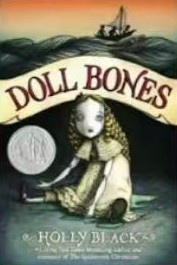
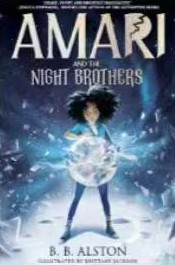
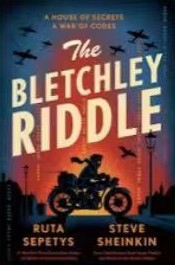
Not sure if this book is right for your child? Take our free 30-minute English assessment to find their CEFR level, then choose books that match.