
Why Most Parents Misjudge Their Child's English Level
Before we talk about how to assess, let's look at the four most common traps parents fall into. If you recognize yourself in any of these, you're not alone—nearly every family we work with has experienced at least one.

Fluent Speaking ≠ Strong English
Your child chats happily with friends in English, so you assume their English is fine. But conversational fluency and academic English are completely different. They may not be able to understand a science textbook passage or write a structured argument.
Exam Scores ≠ Real Proficiency
National English exams test memorized grammar rules and vocabulary lists. International schools test whether a child can read, think, and write in English. The gap between the two is often enormous.
The Comparison Illusion
Your child is the best English student in their local school class. But the benchmark at an international school isn't local peers—it's native and near-native speakers from around the world.
Tutoring Center Assessments Aren't Objective
Some language centers inflate results to build parent confidence (and sell courses). An assessment from someone who wants to sell you something is not the same as an independent, standardized evaluation.
A child scoring 95% on English exams back home may find they're only at A2 level in an international school context.
Pros and Cons of Different Assessment Methods

School Reports
Familiar, free, tracks progress over time
Measures curriculum knowledge, not global proficiency. An 'A' in a local school doesn't map to any CEFR level.
Standardized Tests (Cambridge YLE/KET/PET)
Internationally recognized, reliable, maps to CEFR
Expensive ($200-400), long wait for results (weeks), requires test center booking
Tutoring Center Placement Tests
Convenient, usually free, immediate results
Not standardized, potentially biased (the center wants to sell courses), not comparable across providers
Online Adaptive Assessments
Fast (30 min), CEFR-mapped, adjusts to child's level in real-time, instant results, free or low cost
Requires internet, doesn't test speaking directly
Fluent speaking and academic English are two completely different things. Make sure your assessment measures the right one.
Ready to find your child's real level?
Free, 30 minutes, instant CEFR result.
What a Good English Assessment Should Measure

A reliable English assessment should test the skills that actually matter for international school success: the ability to read and understand age-appropriate academic texts, and the ability to use grammar and vocabulary accurately in context.
It should also be adaptive—adjusting difficulty based on the child's responses, rather than giving everyone the same fixed set of questions. This is how you get an accurate picture in 30 minutes instead of 3 hours.
Oak Education Assessment Structure
Part 1
Grammar & Vocabulary
25 questions
Part 2
Reading Comprehension
15 questions
Result
CEFR Level
+ Confidence Score
How to Interpret Assessment Results

When you receive a CEFR level, the first thing to understand is: this is a snapshot, not a verdict. It tells you where your child is right now, not where they will always be. The purpose is to create a starting point for targeted improvement.
The most valuable use of assessment results isn't labeling your child—it's finding a starting point for a clear improvement plan.
Cross-reference the level with our CEFR guide to understand exactly what it means in terms of reading ability, writing capability, and school readiness. Then look at the grade-level expectations—is your child's level aligned with the grade they're applying to?
Read our detailed CEFR Levels Guide | Check English Requirements by School Tier
Your Action Plan After Getting Results
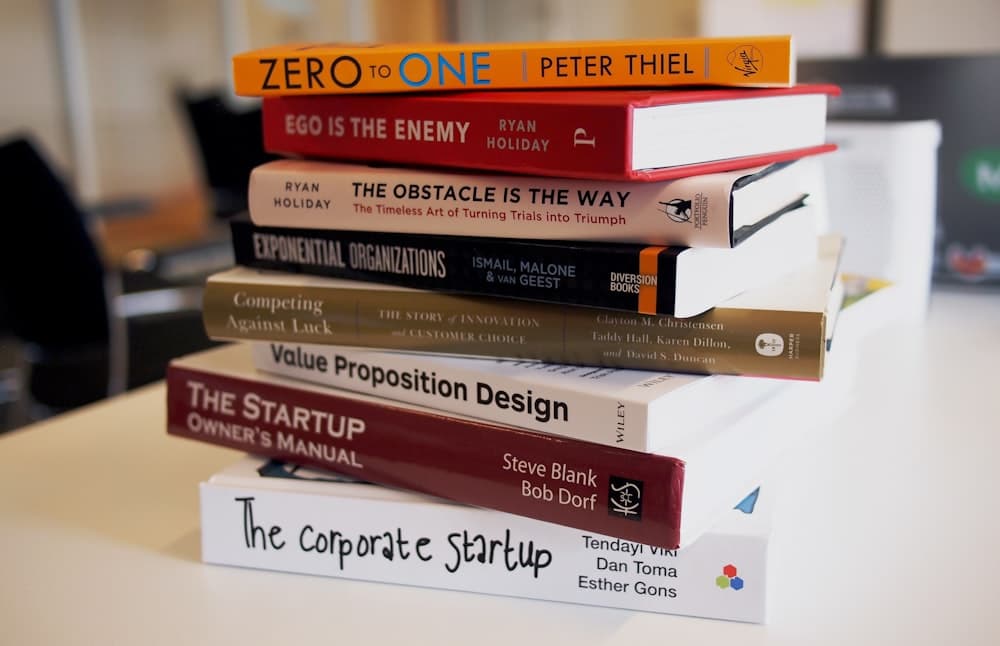
Regardless of level, reading is always the top priority. It builds vocabulary, grammar, comprehension, and writing skills simultaneously.
Foundation Building
- Daily reading: picture books, early chapter books (Magic Tree House, Dragon Masters)
- English audiobooks during commute/bedtime for listening exposure
- Target schools: Tier 2-3 with strong EAL programs
- Timeline to B1: 18-24 months with consistent daily reading
Independent Reader
- Daily reading: YA novels (Wonder, Percy Jackson, The Giver)
- Start English writing practice: diary entries, book reports
- Target schools: Tier 1-2, mainstream entry with minimal EAL
- Timeline to B2: 18-24 months—the hardest jump
Academic English
- Reading: literary fiction, non-fiction, news articles
- Structured essay writing with analysis and argumentation
- Target schools: Tier 1, English A (Literature) track in IB
- Focus: depth over breadth—critical thinking in English
Find books at the right level for your child
160 books organized by CEFR level and grade (G2-G8)
Find out your child's real English level
Free, 30 minutes, adaptive. Get an instant CEFR level report and know exactly where your child stands.
Start Free Assessment