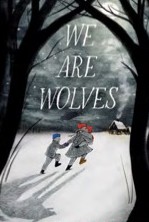
What This Book Is About
It is 1945 in East Prussia, and eleven-year-old Liesl lives on a farm with her mother, her little brother Otto, and baby sister Mia. Their father is away fighting in the war. When the Soviet army advances and their mother disappears, the three children are left utterly alone in the frozen wilderness. Liesl makes a fierce promise: she will keep her siblings alive, no matter what. They become the Wolfschildren—the real historical term for the thousands of German children orphaned and abandoned in the final months of World War II who survived by foraging, hiding, and relying on the kindness of strangers.
Katrina Nannestad tells this story through Liesl's voice with breathtaking tenderness and unflinching honesty. The children eat bark, sleep in haystacks, and dodge soldiers, yet the narrative never loses its warmth because Liesl turns their desperate journey into a fairy tale for Otto—"We are wolves," she tells him, "and wolves are brave." Shortlisted for the 2021 CBCA Book of the Year, this is a deeply researched, emotionally devastating, and ultimately hopeful novel that introduces young readers to a little-known chapter of history through the eyes of children who lived it.
Available at Popular bookstores, Kinokuniya, and the Singapore National Library.
Why UWC Chose This Book
We Are Wolves embodies UWC's founding mission of education for peace. By telling a WWII story from the perspective of German children—not as aggressors but as victims of the same war machine—the book shatters simplistic "good vs. evil" narratives and asks students to hold multiple truths at once. This is exactly the kind of nuanced, empathetic thinking that international-mindedness requires, and it connects directly to UWC's commitment to understanding conflict from every side.
The novel also demonstrates extraordinary resilience and the power of storytelling as a survival tool. Liesl's decision to reframe their terrifying reality as a fairy tale teaches students that narrative shapes how we experience the world—a concept central to English Language Arts. For students in Singapore, a nation that emerged from its own wartime trauma, this book provides a bridge to understanding how war affects civilians everywhere.
Reading Level Guide
Challenging at A2. The historical context and emotional weight require strong reading stamina. Try Number the Stars by Lois Lowry as preparation.
Perfect difficulty. The clear, lyrical prose is accessible, and the short chapters make it easy to read in manageable chunks.
Comfortable read at B2. The emotional depth will still challenge you. Consider Allies by Alan Gratz for another WWII perspective.
Other UWC Recommended Books for This Grade
Not sure if this book is right for your child? Take our free English assessment to find their CEFR level, then choose books that match.