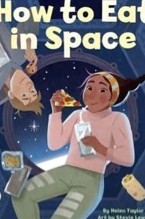
What This Book Is About
There is no kitchen in space, no plates and no cups, and anything you let go of simply floats away. So how does an astronaut eat a meal? This book explains how it is done, and sets out the three rules that make it work: take your time, control the crumbs, and clean up afterwards.
It is a funny non-fiction picture book rather than a textbook, written by Helen Taylor and illustrated by Stevie Lewis, and it ends with back matter and photographs of real NASA astronauts eating in orbit. A good pick for curious readers who like science, space and snacks.
Available at Popular bookstores, Kinokuniya, and the Singapore National Library.
Why UWC Chose This Book
UWC's Grade 2 curriculum places a strong emphasis on building non-fiction reading skills early. Many young readers gravitate naturally toward stories, but international school assessments increasingly require comprehension of informational texts. How to Eat in Space is an ideal bridge: the subject is funny enough to carry a seven-year-old through a whole non-fiction book.
It also rewards the kind of curiosity UWC tries to protect. The three rules for eating in orbit are easy to remember and easy to argue about, and the photographs of real astronauts at mealtimes give a class plenty of questions to ask.
Reading Level Guide
Building reading foundations? Start with picture books and simple labeled stories.
Perfect difficulty. Engaging stories with simple vocabulary for early readers.
An easy, quick read at A2. Great for building reading speed and confidence.
Other UWC Recommended Books for This Grade
Not sure if this book is right for your child? Take our free English assessment to find their CEFR level, then choose books that match.